




Integrating MSI MS-CF03 with RS-422 Communication in the SCL-100 Laser Ceilometer

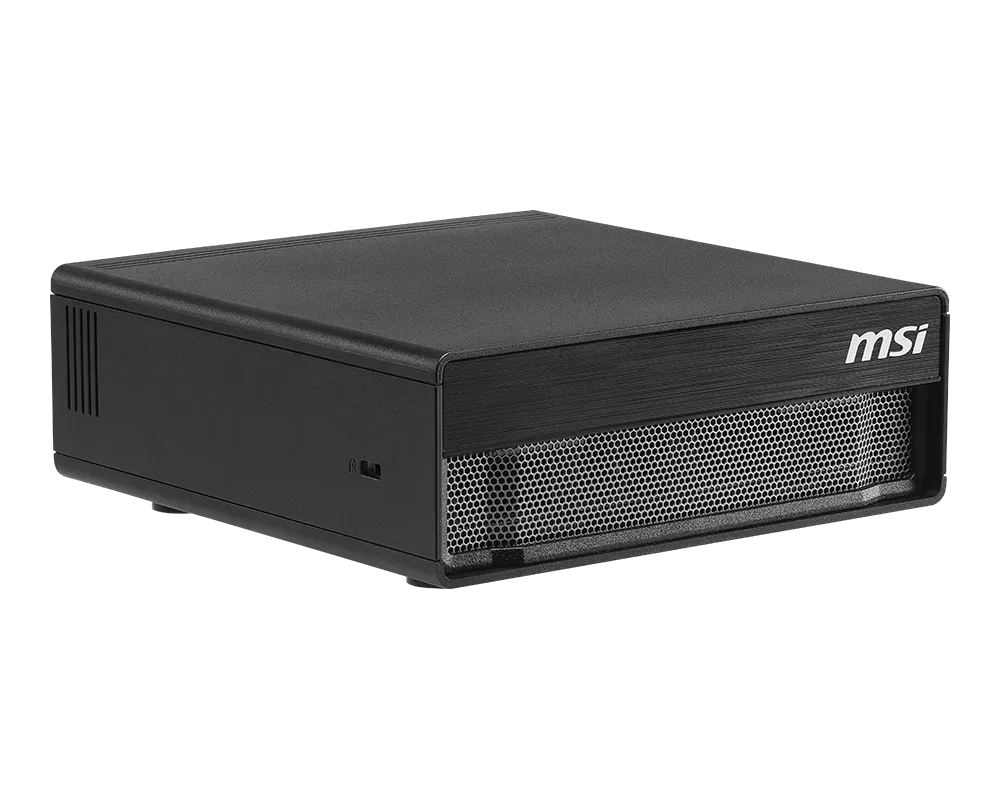
MS-CF03 3.5" SBC was selected as the main control platform and adopted RS-422 as the primary communication protocol with internal sensor modules.
Background
As demand for continuous atmospheric monitoring grows in sectors like aviation, smart cities, and environmental protection, our China customer developed a new-generation laser ceilometer designed to provide real-time cloud base height, vertical visibility, and multi-layer cloud profiling.
To ensure long-term operation in harsh outdoor environments, the system required a compact, industrial-grade control platform with:
- Reliable serial communication for sensor modules
- Compact form factor and fanless operation
- Support for wide-temperature operation and 24/7 uptime
- Long lifecycle availability for embedded deployments
To meet these demands, MS-CF03 3.5" SBC was selected as the main control platform and adopted RS-422 as the primary communication protocol with internal sensor modules.
Project Challenges
Solution: Embedded Board + RS-422 Communication
Key Advantages
MS-CF03 Embedded Board
- Supports 12th/13th Gen Intel® Core™ processors (LGA1700)
- Compact 146 x 102 mm (3.5") size
- 6 COM ports with BIOS-selectable RS-232/422/485 modes
- Wide temperature support (-20°C to 70°C) for outdoor deployments
- Integrated M.2 NVMe storage for high-speed data logging
- Long lifecycle support for embedded system longevity
RS-422 Communication
- Differential signaling for high EMI immunity
- Supports up to 1,200 meters of cable length
- Stable, low-latency transmission, ideal for sensor feedback and control
- Widely used in industrial and environmental monitoring applications
The MS-CF03 COM1 port is configured in RS-422 mode to receive structured data from the laser sensing module. Data is processed and stored locally or uploaded via LAN/4G.
Conclusion
By integrating the MSI MS-CF03 with RS-422 serial communication, the new-generation laser ceilometer achieves a highly stable, compact, and field-ready control architecture. This solution enhances the instrument’s ability to perform precise atmospheric profiling while ensuring long-term reliability, modularity, and ease of integration in demanding meteorological and environmental monitoring applications.