

MS-C906 in Gate Control Systems at Metro Stations, South Europe
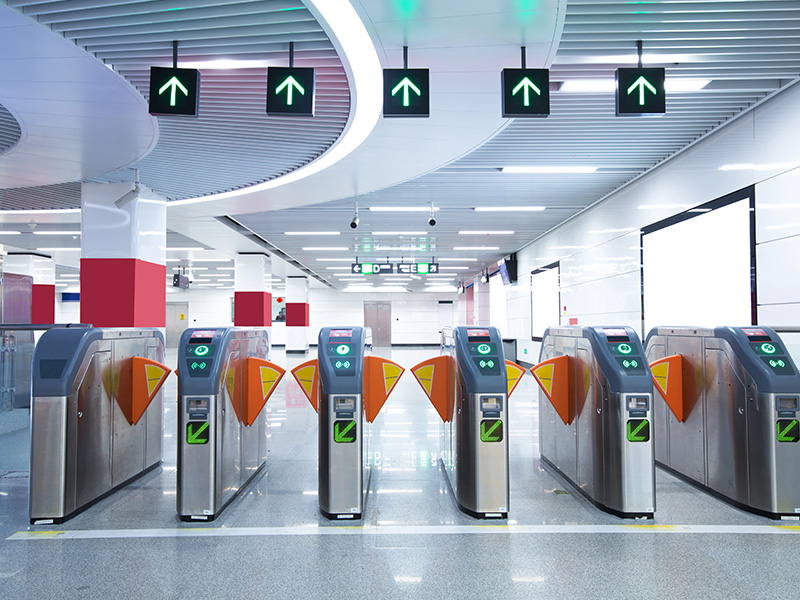
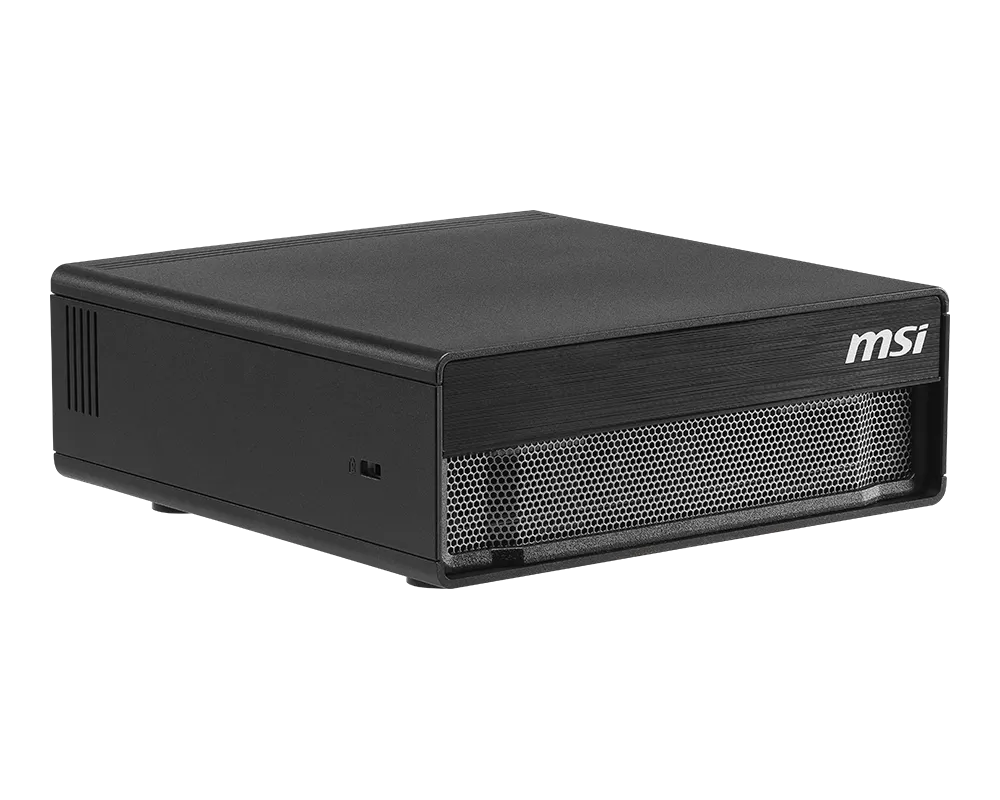
The MS-C906 (I3-1315URE) was selected as the core computing platform for its compact form factor, robust processing power, and advanced connectivity options.
Overview
The MSI MS-C906 with Intel® Core™ i3-1315URE served as the embedded controller for automated metro fare gates. It processed contactless smart card and QR ticket data in real time and connected to central ticketing and monitoring systems via 2.5GbE.
System Requirements
- Validate contactless smart cards and QR tickets quickly and securely during peak hours.
- Maintain connectivity to central ticketing and monitoring systems through LAN failover.
- Fit inside compact gate enclosures and meet a required operating temperature range of −20°C to 70°C.
Solution: MS-C906 for Gate Control Systems
- Real-time ticket validation. The MS-C906 processed data from card readers and QR scanners and issued a gate-open command after successful validation.
- Peripheral connectivity and network redundancy. COM and USB interfaces connected readers, scanners, and gate actuators. The deployed system used redundant 2.5GbE network paths to maintain connectivity if one link failed.
- Compact, electrically isolated design. The MS-C906 fit inside the gate enclosure, and power and COM isolation helped protect against electrical interference.
Implementation Benefits
- Smoother peak-hour passenger flow supported by real-time ticket validation.
- Faster troubleshooting supported by centralized monitoring of gate status, passenger flow, and faults.
- Room for future upgrades through modular I/O that can accommodate additional ticketing and authentication peripherals.
Conclusion
The deployment of the MS-C906 (I3-1315URE) for gate control at metro stations streamlined passenger processing, enhanced operational reliability, and ensured scalability for future upgrades. Its compact design, high-speed connectivity, and robust computing capabilities made it an ideal choice for modern public transportation infrastructure.